
The difference between climacteric and non-climacteric fruit is key to managing the ripening, storage and transport of fresh produce correctly. Ethylene, a plant hormone in gas form, is involved in these processes and can speed up both the ripening of certain fruit and the deterioration of some sensitive vegetables.
For importers, distributors and fresh produce buyers, understanding how ethylene works helps with decisions on harvest timing, load composition, transport conditions and expected shelf life at destination.
At Frubalmed we apply these criteria when selecting and managing each shipment, taking into account the product, its ripeness, its origin and the logistics needs of the destination market.
What is a climacteric fruit?
A climacteric fruit is one that can keep ripening after harvest, provided it was picked once it had reached the necessary physiological maturity. During this process its respiration rate increases and it can produce more ethylene, which speeds up changes such as softening, colour development and aroma.
Examples of climacteric fruit include bananas, avocados, mangoes, apples, pears, kiwifruit, peaches and apricots.
That is why an avocado or a banana picked firm can reach an eating-ready stage after harvest. However, the result depends on the initial maturity and the storage conditions.
What is the difference between climacteric and non-climacteric fruit?
The main difference is how they behave during ripening after harvest.
- Climacteric fruit: can keep ripening after picking, if it has reached the right physiological maturity.
- Non-climacteric fruit: does not go through the same post-harvest ripening process. It must be picked at the right quality stage, as premature harvesting is not corrected during transport.
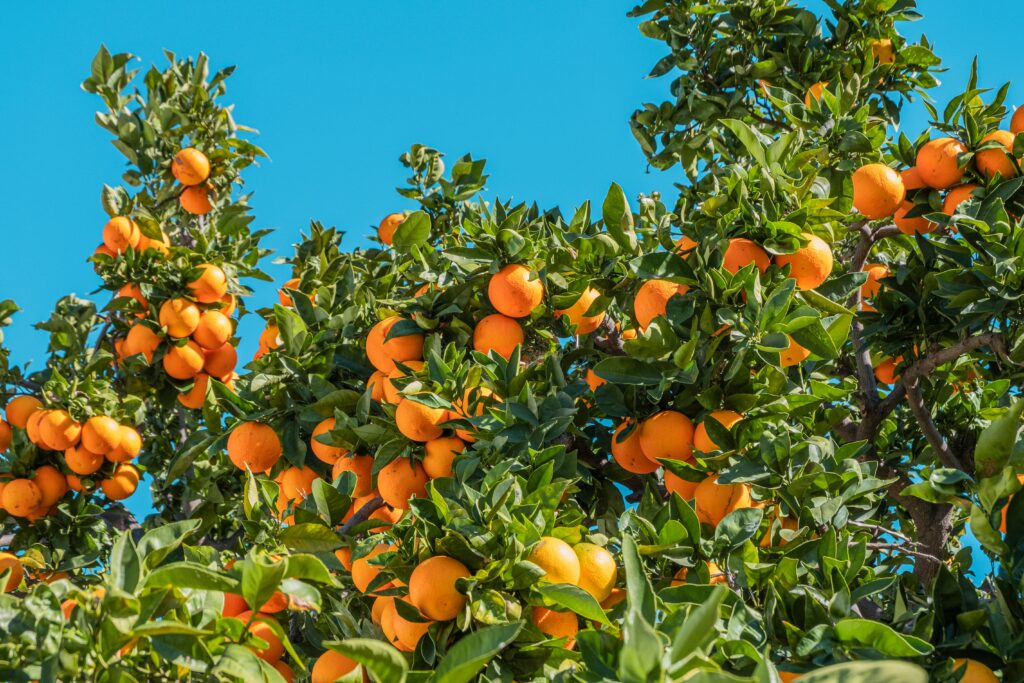
Non-climacteric fruit includes citrus, grapes, strawberries, cherries and pineapple.
This difference matters when setting harvest timing and planning transport. With climacteric products, the ripeness at dispatch can be adjusted to the planned journey. With non-climacteric products, it is especially important to pick at the right point and preserve the quality achieved.
Classification of fruit and vegetables by their response to ethylene
| Group | Examples | Effect of ethylene |
|---|---|---|
| Climacteric fruit | Banana, avocado, mango, apple, pear, kiwifruit, peach and apricot | Can speed up ripening and softening. |
| Non-climacteric fruit, generally low sensitivity | Grape, citrus, strawberry, cherry and pineapple | The effect is usually limited, although it depends on the product and the process. |
| Sensitive non-climacteric vegetables | Broccoli, cauliflower, cucumber, aubergine, carrot and lettuce | Can speed up deterioration, cause yellowing or affect quality. |
This classification is a guide only. Ethylene production, sensitivity to the gas and post-harvest response vary by species, variety and ripeness. Being climacteric does not necessarily mean producing large amounts of ethylene or being particularly sensitive to the ethylene other products give off.
What is ethylene and how does it affect fruit and vegetables?
Ethylene is a gaseous plant hormone that regulates processes such as fruit ripening, tissue ageing and the shedding of leaves and fruit.
In climacteric fruit, ethylene helps regulate ripening and can speed up how the product develops. In certain non-climacteric vegetables it does not cause equivalent ripening, but it can speed up deterioration.
Its effects depend on the product and may include:
- Accelerated ripening: changes in colour, softening and aroma in climacteric fruit.
- Yellowing: especially relevant in sensitive vegetables such as broccoli.
- Loss of commercial quality: may show as changes in appearance, texture or flavour.
- Premature ageing: some plant tissues lose quality earlier than expected.
For more on post-harvest quality control and ethylene action, see this scientific review on inhibiting ethylene action and preserving the quality of fruit and vegetables.
These effects should be distinguished from dehydration. Loss of weight, juiciness and turgor, as well as wrinkled skin, are linked to transpiration and water loss. Controlling them requires managing temperature and relative humidity, and avoiding physical damage.
How does ethylene affect harvest timing?
Harvest timing largely determines the quality the product will have during transport and on arrival at the customer.
Climacteric fruit can keep ripening after picking, but it must first have reached the right physiological maturity. If harvested too early, while still underdeveloped, it may develop poor texture and flavour without ever ripening properly.
Objective indicators can be used to set the harvest point, such as:
- Colour.
- Firmness.
- Soluble solids.
- Dry matter, particularly relevant for determining avocado maturity.
The choice of harvest timing also depends on journey time. As a general rule, a long journey calls for careful planning of ripeness at dispatch so that the product keeps the required quality until it arrives. Even so, there is no single stage that works for every species or every supply chain.
So before harvesting, it is advisable to agree with the supplier the ripeness required at loading and expected at destination, and to include it in the order specification. Planning this ahead helps reduce discrepancies and commercial claims.
How should climacteric and non-climacteric fruit be stored?
Storage must be adapted to how each product behaves.
With climacteric fruit, the aim is usually to slow ripening so that the product reaches its destination at the agreed ripeness. This requires controlling temperature, limiting exposure to ethylene where relevant and avoiding conditions that speed up deterioration.
With non-climacteric fruit, the priority is to preserve the quality it had when picked. Later ripening does not make up for premature harvesting, so selecting the product correctly and maintaining suitable storage conditions is essential.
Temperature should not be lowered indiscriminately. Some tropical fruit, such as bananas and mangoes, can suffer chilling injury if exposed to temperatures below what they tolerate. Storage conditions must be defined for each product.
The Postharvest Research and Extension Center at the University of California, Davis provides product-specific fact sheets covering storage conditions and the main post-harvest problems of many fruit and vegetables.
In practice, effective post-harvest management combines control of temperature and relative humidity with monitoring of ripeness, ventilation and damage prevention.
Transporting fruit and vegetables: which products should not be mixed?
Load compatibility is an important factor in preserving quality when transporting fresh fruit and vegetables.
In enclosed spaces and on long journeys, ethylene can build up and affect sensitive products. Load planning must therefore consider each product’s characteristics as well as its ripeness and storage needs.
These are some practical measures:
1. Avoid incompatible combinations. Ethylene-producing products, such as certain climacteric fruit, can speed up the deterioration of sensitive vegetables. Compatibility should be assessed for the specific products and transport conditions.
2. Consider ripeness. Riper units can speed up the development of other units of the same product. The risk is not limited to loads that mix different fruit and vegetables.
3. Ensure adequate ventilation. Refrigerated transport must allow air circulation suited to the product’s needs. Where appropriate, ethylene absorption systems can be used as a complementary measure.
4. Pre-cool correctly. Both the product and the transport equipment must be prepared for the required storage conditions. Pre-cooling and maintaining temperature help preserve quality during the journey.
5. Remove damaged or deteriorated produce. Affected pieces can speed up quality loss and encourage the spread of microorganisms. Inspection before loading helps reduce these risks.
Ethylene sensitivity varies from product to product. For example, the UC Davis kiwifruit fact sheet describes its sensitivity to this gas. The UC Davis aubergine (eggplant) fact sheet covers quality-related post-harvest disorders such as calyx abscission.
These references show how specific products behave, but load compatibility must also be assessed taking into account temperature, journey time, ventilation and ripeness.
Besides ethylene, logistics planning must consider temperature compatibility, relative humidity and ventilation conditions. A properly organised load helps preserve commercial quality and the shelf life available at destination.
How to reduce fruit and vegetable waste during export
Reducing waste requires coordinating purchasing, harvest, storage and transport decisions before the goods leave origin.
For each shipment, five questions are worth answering:
- Is the product climacteric or non-climacteric? Is it sensitive to ethylene?
- How many days will transport take, and how ripe should the goods be on arrival?
- What ripeness stage should the product be at when harvested?
- Which other products will share the load, and what temperature does each need?
- How will ventilation and temperature be controlled during the journey?
The answers must be adapted to each product, supplier, origin and destination market. Defining specifications before harvest and checking them while preparing the load helps reduce the gap between expected and received quality.
At Frubalmed, product selection, coordination with suppliers and logistics planning are part of the same decision: finding the right combination of product, origin, format, quantity, packaging and transport for each customer’s needs.
Quality standards for fresh fruit and vegetables
When planning the storage, transport and marketing of fresh fruit and vegetables, it is important to distinguish between technical post-harvest recommendations and the commercial quality standards that apply to each product.
These official sources provide further information:
- Regulation (EU) 2023/2429 on marketing standards for fruit and vegetables: sets general and specific marketing standards for the products covered by EU legislation. Its application should be checked for each product and market.
- UNECE quality standards for fresh fruit and vegetables: brings together product-specific standards, including commercial quality requirements and criteria. The page lets you check the available versions and their revisions.
- OECD international standards for fruit and vegetables: offers information on international standards and explanatory publications that help interpret quality criteria in trade.
- UC Davis Postharvest Research and Extension Center: provides product fact sheets with information on respiration, ethylene production and sensitivity, storage temperature and post-harvest disorders.
These references serve different purposes. Marketing standards set quality and presentation criteria; post-harvest fact sheets help explain the physiological behaviour of products. None of these sources replaces checking the specific requirements of the destination country, contractual conditions or the specifications of each shipment.
Standards and recommendations may be updated. Before using a reference for a commercial operation, check its current version and confirm that it applies to the product and destination market.
Frequently asked questions about climacteric fruit and ethylene
Which fruits are climacteric?
Climacteric fruits include bananas, avocados, mangoes, apples, pears, kiwifruit, peaches and apricots. They can keep ripening after harvest if they were picked once they had reached the necessary physiological maturity.
Which fruits do not ripen after harvest?
Non-climacteric fruits, such as grapes, strawberries, cherries, pineapple and citrus, do not go through the same post-harvest ripening process as climacteric fruits. They must therefore be picked at the right quality stage.
Which fruits produce ethylene?
Many fruits produce ethylene, though in different amounts. Some climacteric fruits, such as apples, pears, bananas and avocados, can produce significant amounts during ripening. Production depends on the product and its ripeness.
Which vegetables are sensitive to ethylene?
Ethylene-sensitive vegetables include broccoli, cauliflower, cucumber, aubergine, carrot and lettuce. Exposure can speed up certain quality changes, such as yellowing or ageing, although the response varies by product.
Can all fruit and vegetables be transported together?
Not necessarily. Before sharing a load, ethylene production and sensitivity, temperature compatibility, humidity and ventilation needs and ripeness must all be assessed. The decision must be made for each combination of products and logistics conditions.
How does ethylene affect the shelf life of fresh fruit?
Ethylene can speed up the ripening of climacteric fruit and the deterioration of some sensitive vegetables. Its effect on shelf life depends on the product, the concentration and duration of exposure, and the storage conditions. Controlling temperature and planning loads properly helps preserve quality during transport.
What is the difference between ethylene and dehydration?
Ethylene regulates physiological processes related to ripening and ageing. Dehydration is caused by the product losing water. Although both can affect commercial quality, they require different control measures.
Conclusion: control ethylene to protect product quality
Knowing the difference between climacteric and non-climacteric fruit leads to better decisions on harvest, storage and transport. It also helps identify load combinations that can compromise quality and set realistic expectations about shelf life at destination.
In fresh fruit and vegetable exports, every detail counts: ripeness, storage conditions, product compatibility and logistics planning must all match the needs of each shipment.
At Frubalmed we have ten years’ experience exporting fresh fruit and vegetables, and we work to connect products, suppliers and logistics solutions with the needs of European retailers.
Looking for a supplier that coordinates product, origin and logistics around your business’s needs? Contact Frubalmed to discuss your next project.